From farm to stay: Agritourism is helping sustain Canadian farms
Key Takeaways
- Canadian farm stay hosts earned close to $15 million across nearly 1,000 listings in 2025, making Canada the sixth-largest farm stay sector in the world by host earnings.
- Since 2018, farm stay listings in Canada have grown nearly 50 percent and host earnings nearly 400 percent.
- In 2024, Airbnb income accounted for an average of 26 percent of household income for Canadian farm stay hosts, among the highest shares globally.
- More than 70 percent of Canadian farm stay hosts are women, more than double their share of farm operators nationally.
Key Takeaways
- Canadian farm stay hosts earned close to $15 million across nearly 1,000 listings in 2025, making Canada the sixth-largest farm stay sector in the world by host earnings.
- Since 2018, farm stay listings in Canada have grown nearly 50 percent and host earnings nearly 400 percent.
- In 2024, Airbnb income accounted for an average of 26 percent of household income for Canadian farm stay hosts, among the highest shares globally.
- More than 70 percent of Canadian farm stay hosts are women, more than double their share of farm operators nationally.
The economics of farming in Canada are getting tougher. Operating expenses rose more than 5 percent nationally in 2025, increasing in every province and outpacing revenue growth, according to Statistics Canada. Add in shifting commodity prices, trade uncertainty and increasingly unpredictable weather, and the pressure on farmers is coming from all directions.
Against that backdrop, a growing number of farmers across the country are turning to agritourism to bring in additional income while continuing to work the land.
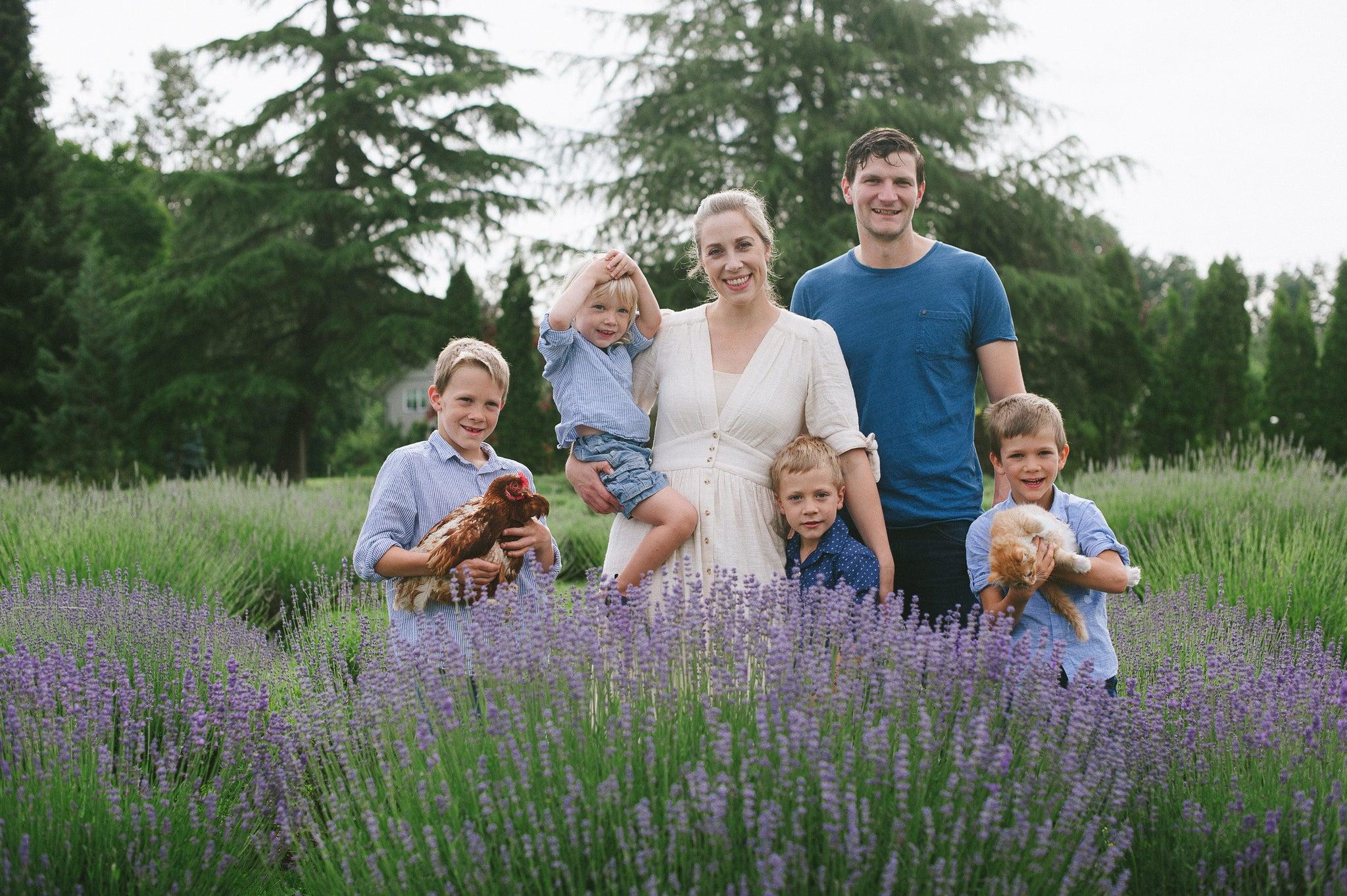
For Jodi, a lavender farmer in BC’s Fraser Valley, hosting guests in the family’s historic farmhouse has become an important part of sustaining the farm:
“Hosting guests in our farmhouse has become an important part of what we do. Lavender farming is seasonal, so hosting gives us another source of income year-round, lets more people connect with the land and discover Fraser Valley. Through our farm shop and cafe, lavender products, and farm stays, each piece helps our family continue farming and sharing what we love.”
In Ontario wine country, Cheryl and Rick have turned a historic home on their family’s working vineyard into a farm stay:
“For us, hosting visitors gives us the opportunity to keep our home in our family while continuing to care for the land around it. We love meeting our guests and seeing them enjoy the vineyards just steps from the house. Hosting adds so much value to our farm operation while also supporting tourism in our community.”
Further east in Quebec’s Eastern Townships, agronomist and fruit grower Monique welcomes guests to her family’s orchard house as another way to diversify the family business:
“Farming has always been at the heart of our family and our life. We’ve been growing apples and pears for more than 30 years, and our children grew up here in the orchard. Hosting lets us make the most of our land while welcoming people to experience the orchard, the countryside and everything this region has to offer. It gives us an extra source of income that helps keep the orchard running, especially in years when harvests are tough, and we love meeting people from all over the world.”
New Airbnb data shows just how quickly this opportunity is growing in Canada. Farm stay host earnings have climbed nearly 400 percent since 2018, far outpacing the roughly 50 percent growth in listings over the same period.1 For farmers facing tighter margins, agritourism is becoming an increasingly important way to diversify income and keep farms running.
A meaningful source of income for Canadian farmers
In 2025, farm stay hosts in Canada earned close to $15 million2 across nearly 1,000 listings,3 making Canada the sixth-largest farm stay sector in the world by host earnings.4
The typical farm stay host in Canada earned nearly $8,400 last year,5 with roughly one booking every two to three weeks – enough to help cover an unexpected equipment repair or offset rising costs. For many hosts, farming remains the primary livelihood, with hosting providing an additional stream of income to help support it.
That income can make up a meaningful share of the household budget: survey data shows that Airbnb income accounted for an average of 26 percent of household income among Canadian farm stay hosts in 20246 – one of the highest shares of any country Airbnb has surveyed globally.
A ripple effect for local economies
Ontario and British Columbia led the way for farm stays, together accounting for nearly 70 percent of Canada's farm stay listings and host earnings in 2025.7
The benefits don't stop at the farm, ranch or vineyard. Farm stays also bring visitors – and their spending – to surrounding businesses, extending the economic impact of tourism to rural communities that don't always see it.
In 2025, guests spent an additional $15 million at local businesses around their farm stays.8 Overall, farm stay activity contributed close to $55 million to Canada's GDP and supported nearly 500 jobs.9
Women and a new generation are shaping the future of farm stays
Canadian agriculture is at a generational turning point: more than 60 percent of farm operators were 55 or older as of the 2021 Census of Agriculture and 40 percent are expected to retire by 2033,10 yet 88 percent of Canadian farms have no formal succession plan.11
Meanwhile, Airbnb data points to a notable generational shift: new farm stay hosts have been getting younger every year since 2019.12 Hosting isn't a substitute for a succession plan, but income from hosting can help make it more viable for the next generation to build and sustain a livelihood on the land.
Women are at the forefront of Canada's farm stay community. While women represent just three in ten Canadian farm operators,13 they account for more than 70 percent of the country's farm stay hosts on Airbnb.14
Growing the opportunity
With demand growing and the benefits reaching well beyond the farm gate, agritourism has the potential to play an even greater role in supporting Canadian farm families and rural communities.
Right-sizing short-term rental rules to encourage rather than restrict on-farm hosting, and expanding farmers' access to the tools and support they need to get started, can help more families participate. For farm families across the country, that means more opportunities to diversify their businesses, welcome visitors onto their land, and keep farms running for generations to come.
Read more in the full report.